




In today’s digital-first world, understanding what are digital marketing channels is essential for business success. Digital channels in marketing refer to the online platforms and methods businesses use to connect with their audience: websites, search engines, social media, email, ads, content and more. However, using every available channel without focus can lead to wasted time, diluted messaging, and poor results.
At OC Digital Firm, we believe in a strategic, data-informed approach to choosing channels. This article will walk you through types of digital marketing channels, how to choose digital marketing channels for your business based on your audience, goals, resources, and how to build a balanced digital marketing channel strategy that drives growth.
What Are Digital Marketing Channels – A Clear Definition
What Does “Digital Marketing Channels” Mean
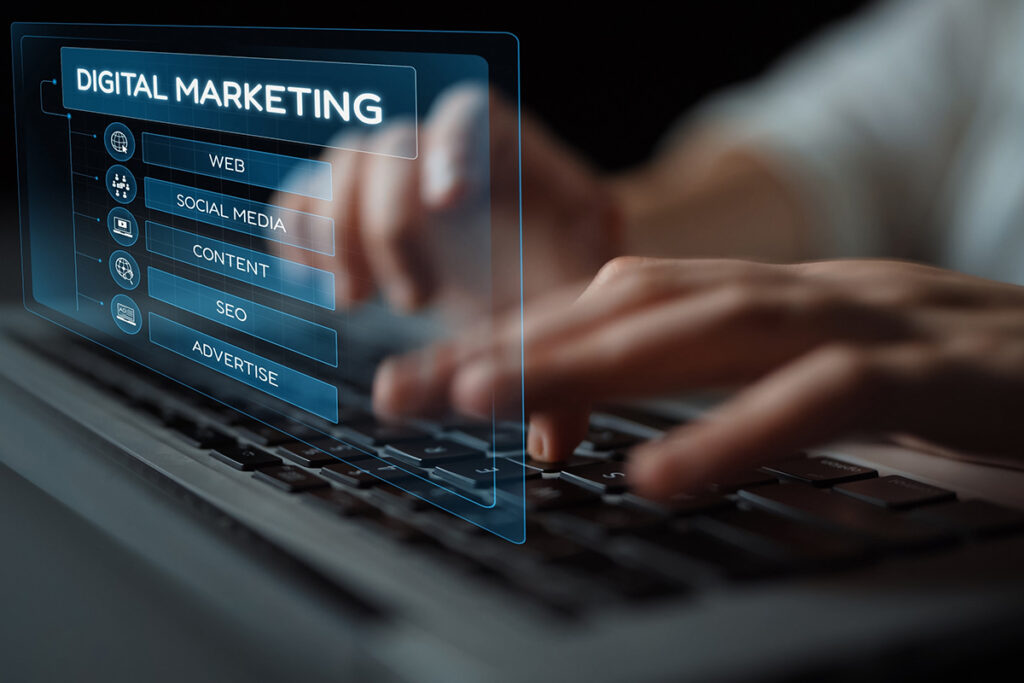
Digital marketing channels are any online platforms or mechanisms through which a business communicates, markets, or delivers value to its audience. These channels may include websites, search engines, social media, email, video platforms, paid ads, and more. Together they form part of a broader set of digital marketing platforms through which a company can engage customers, build brand awareness, generate leads, or drive sales.
Channels can be categorized as:
- Owned channels – such as your website, blog, email list, or social profiles where you control the content.
- Earned or organic channels – such as organic search traffic, social media shares, or word‑of‑mouth.
- Paid channels – such as pay‑per‑click (PPC) advertising, display ads, paid social media ads, or sponsored content.
Understanding what are digital marketing channels and how they differ helps you build a balanced and effective online marketing approach.
Why Digital Channels in Marketing Are Essential
Digital marketing platforms have revolutionized how businesses reach and convert potential customers. Compared with traditional marketing (print, radio, events), online marketing channels offer:
- Precise targeting – reach specific demographics or interest groups.
- Measurable performance – track traffic, engagement, conversions, ROI.
- Cost‑effectiveness – many inbound and organic channels require minimal financial investment.
- Scalability and flexibility – you can start small and expand as your business grows.
For both small startups and established enterprises, a well-thought digital marketing channel strategy can produce sustainable growth, improved brand visibility and long-term customer relationships.
Common Types of Digital Marketing Channels
Here is a breakdown of the most common and effective types of digital marketing channels many businesses use today. Understanding each helps inform your multi‑channel digital marketing plan.
1- Website & Owned Content
Your website is the central hub of your online presence. It’s the place you control – where visitors land, learn about your products or services, and convert. Building quality content on your site – blogs, landing pages, resources – creates long-term value.
Through owned content you can:
- Establish your brand identity and authority.
- Describe your offerings clearly and build trust.
- Capture leads through forms, subscriptions, downloads.
- Provide a foundation for other channels – like SEO, email, social media.
A well-optimized website and content library is often the backbone of your digital marketing channel strategy.
2- Search Engine Optimization (SEO) & Organic Search
SEO is optimizing your site content so search engines like Google rank you highly when people search for relevant terms. As a digital marketing channel, SEO drives organic traffic and can produce steady results over time.
Advantages of SEO and organic search:
- Attract visitors actively searching for what you offer.
- Build long-term visibility and credibility online.
- Support other channels: blog content, inbound marketing, email campaigns all benefit from SEO-optimized content.
For businesses aiming for sustainable growth without over-relying on ads, SEO remains a foundational component of any online marketing channel mix.
3- Content Marketing
Content marketing involves creating and sharing valuable content – blog posts, articles, eBooks, case studies, guides, videos, infographics, webinars – to attract and engage your audience. It’s one of the key inbound marketing channels businesses use.
Content marketing helps you:
- Educate and nurture potential customers.
- Build trust and authority, especially important for B2B digital marketing channels.
- Provide material to repurpose across channels (social media, email, SEO).
- Provide long-term value, since content can continue to attract traffic and leads for months or years.
For many businesses, content marketing is the core of their long-term growth and brand-building efforts.
4- Social Media Marketing (Organic & Paid)
Social media platforms are powerful digital marketing platforms to reach and engage audiences, build community and share content. Whether organic or paid, social media marketing helps amplify your message beyond your website.
Benefits of social media marketing:
- Reach and engage a wide audience across demographics.
- Share content, promotions, announcements, and interact directly with followers.
- Combine with paid social ads or targeted sponsored posts to accelerate reach.
- Support brand awareness, audience loyalty, and customer engagement.
Social media often works best when combined with content marketing and a broader channel mix.
5- Email Marketing & CRM-Based Channels
Email marketing remains one of the most effective digital marketing channels to nurture leads, convert customers, and build long-term relationships. As part of your online marketing channels, email provides direct access to contacts who already know your brand or have shown interest.
Why email marketing works:
- You control the communication – no dependency on platform algorithms.
- High return on investment when executed well.
- Great for segmenting audience, sending personalized messages, nurturing leads, promoting offers, or sharing content.
- Builds a dependable channel for customer retention and repeat engagement.
For many businesses, email marketing combined with content and SEO becomes a central component of inbound marketing channels.
6- Paid Advertising – PPC, Display Ads, Paid Social
Paid advertising gives you the ability to quickly reach targeted audiences with control over budget, timing, and messaging. As part of a comprehensive digital marketing channel strategy, paid channels help businesses scale and accelerate visibility.
Use cases for paid advertising:
- Launching new products or promotions.
- Running time-sensitive campaigns or sales.
- Targeting specific demographics, interests, or behaviors.
- Complementing organic efforts by amplifying reach or capturing leads faster.
Paid channels provide quick results but require budget and monitoring to ensure positive return on ad spend.
7- Multi-Channel Digital Marketing & Inbound Marketing Channels
A multi-channel digital marketing approach combines several channels – owned, earned, paid – giving businesses multiple touchpoints to reach, engage, and convert audiences. Inbound marketing channels – such as content marketing, SEO, email, organic social – attract customers by providing value, building trust, and delivering information.
Combining:
- Inbound strategies (content, SEO, email, organic social)
- Paid advertising (PPC, paid social, display)
- Owned assets (website, blog, CRM)
gives you flexibility and resilience – you reach audiences at different stages of their journey, across various platforms and preferences.
Key Factors to Consider When Choosing Digital Marketing Channels
Selecting the right online marketing channels depends on more than popularity. It requires a thoughtful evaluation based on your business goals, audience, resources, and the nature of your offerings.
Understand Your Target Audience & Their Online Behavior
First, define who your ideal customers are – their demographics, interests, pain points, and where they spend time online. This helps you choose channels they are most likely to engage with.
For example:
- B2B businesses typically benefit from SEO, content marketing, email campaigns, and professional networks.
- B2C or consumer‑oriented brands may find more success with social media, video content, paid social, or influencer campaigns.
Knowing your audience’s digital habits ensures your efforts reach the right people at the right time.
Define Your Business Goals & Desired Outcomes
Your marketing objectives shape which channels make sense for you. Possible goals include:
- Brand awareness and recognition
- Lead generation and list building
- Sales and conversions
- Customer retention and loyalty
Depending on whether your goal is short-term sales or long-term growth and authority, your channel selection will vary.
Consider Budget, Resources, and Cost-Effectiveness
Resources matter. Some channels require monetary investment (paid ads, influencer partnerships), others require time and creative effort (content creation, email campaigns, SEO). Evaluate what you can realistically support over time.
For small or medium businesses, a mix of low-cost inbound channels and selective paid efforts often yields the best return without overextending resources.
Match Channels to Business Type and Offerings (B2B vs B2C, Product/Service Complexity)
Not every channel works for every business. Your offerings, audience decision process, and industry influence which channels perform best. For instance:
- B2B digital marketing channels often rely on trust-building, educational content, and professional contacts.
- B2C brands focused on visuals or lifestyle may benefit more from social media, video, or influencer-driven channels.
Choosing channels aligned with your business type increases efficiency and messaging coherence.
Prioritize Channels That Offer Measurable Results
One of the biggest advantages of online marketing channels is measurability. Choose channels where you can track metrics like traffic, conversions, cost per acquisition, customer journey, engagement, ROI.
Without measurement, you can’t evaluate what’s working and what’s wasting resources. A good digital marketing channel strategy is always data-informed.
Avoid Overextending – Start Small, Test, and Scale
Trying to manage every channel at once often leads to mediocre results across the board. A smarter approach is to start with a few high‑potential channels, test performance, optimize strategies, and then scale.
This incremental approach minimizes risk, conserves resources, and helps refine your multi‑channel marketing mix for long-term success.
A Step-by-Step Framework for Choosing the Right Digital Marketing Channels
Here is a practical framework from OC Digital Firm to help you choose the best mix of channels for your business:
- Define Clear Business Goals and Key Performance Indicators (KPIs)
- Determine what you want to achieve (awareness, leads, sales, retention)
- Set measurable targets and timelines
- Build Buyer Personas and Map Online Habits
- Understand your ideal customers: demographics, behavior, preferences, pain points
- Identify where they spend time online and what type of content resonates with them
- List Potential Channels (Owned, Inbound, Paid, Multi‑Channel Options)
- Owned: website, blog, email list, social profiles
- Inbound: content marketing, SEO, email nurture, organic social
- Paid: PPC, social ads, display ads, sponsored content
- Shared/Referral: partnerships, influencer marketing, affiliates
- Evaluate Each Channel Based on Fit, Cost, Effort, Reach, and Measurability
- Does the channel align with your audience and goals?
- What resources does it require?
- Can you track results and ROI effectively?
- Select an Initial Balanced Mix (2–4 Channels)
- Combine long-term inbound channels with short-term paid or promotional channels if needed
- Combine long-term inbound channels with short-term paid or promotional channels if needed
- Launch Campaigns, Monitor Performance, and Track Metrics
- Use analytics tools to observe traffic, conversions, engagement, cost per lead, etc.
- Review performance regularly
- Analyze Results, Optimize What Works, and Adjust or Scale as Needed
- Invest more into high-performing channels
- Optimize or pause underperforming channels
- Adjust content, targeting, and strategy based on data and results
- Revisit Strategy Periodically
- Business goals, audience behavior, and market conditions change over time
- Update your digital marketing channel strategy accordingly
Common Mistakes When Selecting Digital Marketing Channels
When working with various online marketing channels, many businesses make avoidable mistakes. Here are common pitfalls to avoid:
- Choosing channels based on hype instead of data or audience fit
- Trying to be present everywhere – stretching resources thin and delivering weak execution
- Failing to measure or track results – leading to wasted budget and unclear ROI
- Selecting channels that do not align with business type (B2B vs B2C) or customer journey
- Underestimating the time and resources required for content creation, maintenance, and follow through
Addressing these mistakes proactively helps build a sustainable, efficient, and impactful digital marketing presence.
Why OC Digital Firm’s Strategic Approach to Digital Marketing Channels Works
At OC Digital Firm we specialize in designing a tailored, data-driven channel strategy that aligns with each business’s unique goals, audience, and resources. Here is how we deliver value:
- Conduct thorough audience and competitor research to understand who your customers are and where they spend time online
- Develop a balanced channel mix combining inbound marketing channels with targeted paid efforts when appropriate
- Create high-quality content, optimize for SEO, manage email campaigns, and run social media marketing
- Set up analytics and tracking to monitor performance, conversions, customer journey, and ROI
- Provide ongoing optimization, testing, and scaling – ensuring continuous improvement and growth over time
This methodical, flexible approach ensures businesses invest wisely, avoid wasted spend, and build a marketing ecosystem that evolves with their growth.
FAQ About Digital Marketing Channels
1- What are digital marketing channels and why does my business need them?
Digital marketing channels, or online marketing channels, are platforms and methods you use to reach your audience online – website, SEO, social media, email, ads, content, and more. They help you engage with potential customers, build brand presence, generate leads, and convert sales. Without them, you limit your reach to traditional methods and miss online opportunities.
2- How do I choose digital marketing channels for a B2B business versus a B2C business?
For B2B businesses, channels like SEO, content marketing, email, and professional social networks often work best because B2B customers usually need more information, trust, and longer decision cycles. For B2C businesses – especially those focused on consumers, trends, or lifestyle – social media, paid social ads, video content, influencer collaborations, and visually-driven platforms tend to deliver stronger engagement.
3- Can a small business succeed using only a few digital marketing channels?
Yes. In fact starting with a focused mix of 2 to 4 channels – such as SEO, content marketing, email, or a paid campaign – is often the smartest approach. This allows small businesses to concentrate resources, maintain consistency, evaluate performance, and optimize before scaling.
4- What is the difference between inbound marketing channels and paid digital marketing channels?
Inbound marketing channels – like content marketing, SEO, organic social, and email – attract audiences by offering value, information, or relationships rather than pushing ads. Paid channels – such as PPC, display ads, or paid social – provide quick visibility and targeted reach but require ongoing budget. A balanced strategy often uses both: inbound for long-term growth and paid for immediate traction.
5- How do I measure whether a digital marketing channel is delivering value for my business?
You measure value by tracking relevant metrics and KPIs: website traffic, source of traffic, conversion rates, lead quality, cost per acquisition, customer engagement, and return on investment. Using analytics tools and CRM tracking helps you compare performance across channels, identify what’s working and what isn’t, and make data-driven decisions about scaling, optimizing, or pausing channels.
Conclusion
In 2026 and beyond, the digital landscape continues to expand and evolve. More options may seem overwhelming, but a thoughtful, strategic selection of digital marketing channels can give your business clarity, direction, and results. By understanding what are digital marketing channels, evaluating types of digital marketing channels, aligning choices with your audience and goals, and implementing a measured digital marketing channel strategy, you can maximize reach, engagement, and conversions without wasting resources.
At OC Digital Firm, our approach combines inbound marketing channels, owned assets, and selective paid efforts – always tailored to your business needs. We help you start smart, optimize continuously, and scale efficiently as your business grows.